
World Flags Quiz
What Can I Expect from the World Flags Quiz?
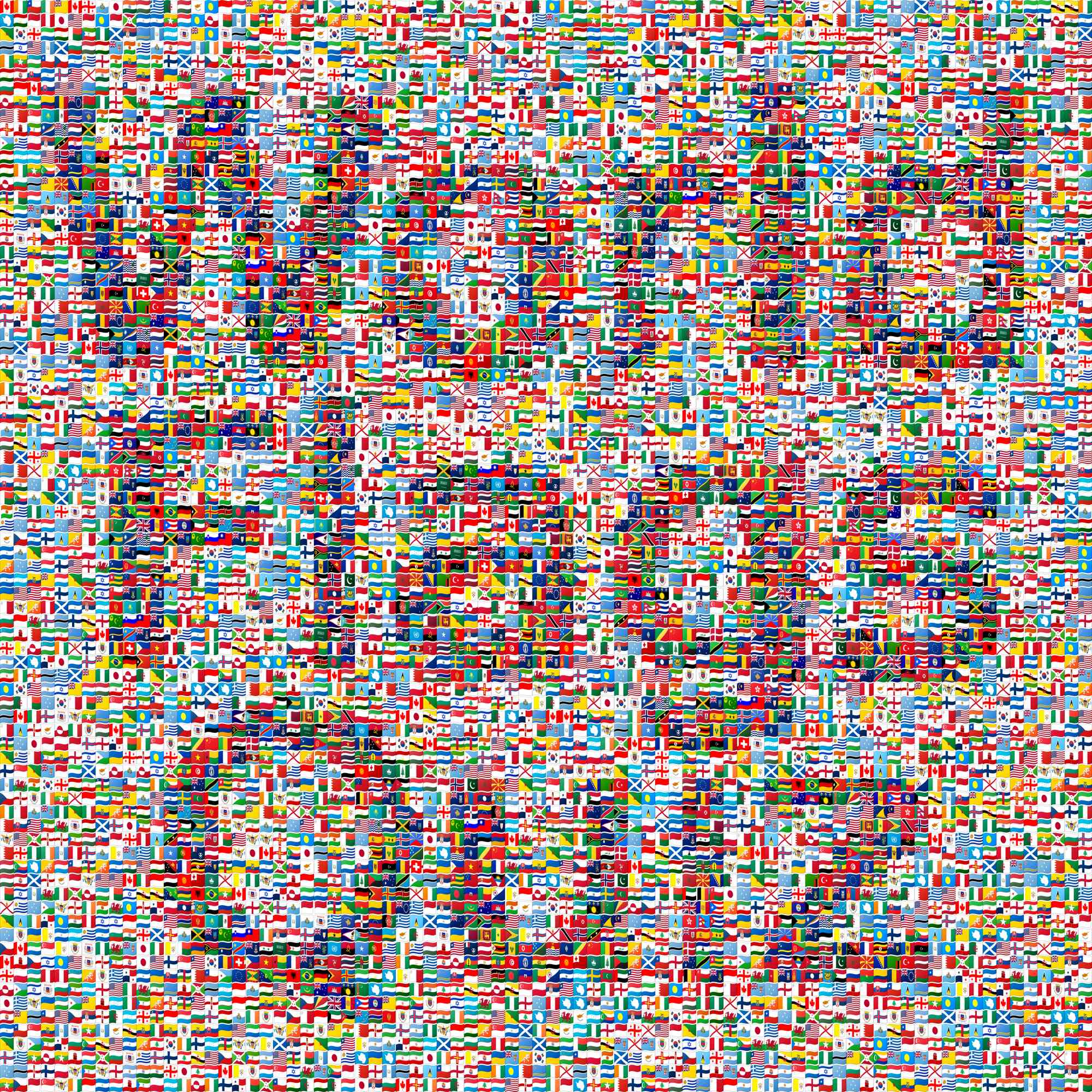
This quiz tests how well you recognise flags from across the world, from instantly familiar designs to the kind of flag that makes even confident geography fans pause for a moment. Each round chooses 15 random questions from a much larger pool, so every attempt can feel different.
- National flags, overseas territories, island nations, and international organisations
- Colour patterns, emblems, stars, crosses, stripes, crescents, maps, shields, and coats of arms
- Well-known flags such as the United States, Canada, Japan, Brazil, South Africa, and the United Nations
- Trickier designs from small states, territories, and countries whose flags are easy to mix up
Flags are brilliant quiz material because they compress history, geography, politics, identity, and design into a small rectangle. A single flag can point towards a revolution, a royal dynasty, a landscape, a religion, a federation, a maritime past, or a national story told through colour. The red disc of Japan is clean and memorable. Canada’s maple leaf has become one of the most recognisable national symbols on Earth. Brazil’s green, yellow, blue, and starry design carries a completely different energy, with a globe, a motto, and a night sky that rewards a closer look.
Some flags are famous because they appear everywhere. The Stars and Stripes, the Union Jack, the tricolours of France and Italy, the German black-red-gold, and the red field of China are all regular guests in sport, news, travel, film, and product packaging. Others are familiar because they have one very strong visual idea. Switzerland uses a square red field and a white cross. Nepal has the world’s best-known non-rectangular national flag, built from two stacked pennants. Bhutan places a dragon at the centre of the design, which is the sort of confident choice that makes a flag hard to forget.
The challenge grows when flags share ingredients. Red, white, and blue appear again and again. Horizontal tricolours can blur together if you rely on colour alone. Ireland and Ivory Coast use the same three colours in different orders. Chad and Romania are famously similar. Indonesia and Monaco both use red over white, with proportions doing much of the separating work. Australia and New Zealand both include the Union Jack and stars. Players who learn to notice proportions, star shapes, emblems, and small layout choices usually improve quickly, because the details become a set of clues.
There is also a satisfying geography lesson hiding inside the designs. Nordic countries often use cross flags, linking Denmark, Sweden, Norway, Finland, Iceland, and several territories through a shared visual tradition. Pan-African colours such as red, yellow, green, and black appear across countries including Ghana, Ethiopia, Kenya, and Zimbabwe. Arab flags often use red, white, black, and green, with crescents, stars, or triangular hoists appearing in different combinations. The Caribbean brings bright blues, yellows, blacks, reds, and greens into designs shaped by sea, sunshine, independence, and local identity.
The quiz includes more than sovereign states. You may meet flags for territories, dependencies, and organisations, including places such as Anguilla, Aruba, Bermuda, Gibraltar, Guam, Jersey, Kosovo, Mayotte, Puerto Rico, Taiwan, the United Nations, and the Vatican City. These entries make the quiz much more interesting than a simple school-map memory test. They also explain why the preview section at the bottom is useful: the full list gives you a way to study the wider set before another attempt, especially when a flag appears that looks familiar but refuses to attach itself to the right name.
A good flag question often rewards a mix of visual memory and small facts. The maple leaf points to Canada. The cedar tree points to Lebanon. The sun with many rays points to designs such as Argentina, Uruguay, and North Macedonia, with different details doing the real work. A crescent can lead you towards countries including Turkey, Pakistan, Tunisia, Malaysia, or Azerbaijan, depending on the star, colours, and layout. A coat of arms might pull you towards Mexico, Spain, Croatia, Moldova, or Montenegro. The best way to improve is to stop treating the flag as a flat picture and start reading it like a clue board.
Colour has its own language too. Red can suggest courage, sacrifice, revolution, or historic struggle. Green often appears in flags connected with land, agriculture, Islam, hope, or independence movements. Blue may point to sea, sky, rivers, peace, or regional unions. Yellow and gold can signal wealth, sunshine, mineral resources, or royal history. These meanings shift from country to country, so they are clues rather than fixed rules. Still, once you begin to notice them, flags stop feeling random and start looking like deliberate miniature posters for places, peoples, and stories.
Sport makes flags feel more familiar too. World Cups, Olympic Games, Eurovision, cricket tours, Formula 1 podiums, tennis draws, and athletics championships put flags on screen constantly. You may know the flag of Jamaica because of sprinting, Brazil because of football, New Zealand because of rugby, India because of cricket, or South Korea because of the Olympics and pop culture. Travel adds another layer, from airport departure boards and passport stamps to ferry terminals, embassies, language apps, and souvenir patches. Flags follow geography into everyday life in a surprisingly persistent way.
The World Flags Quiz suits players who like pattern spotting as much as fact recall. Some questions will feel easy because the flag is iconic. Others will ask you to separate close neighbours, small territories, or designs that share nearly all their colours. Type the country or territory name as your answer, and do not panic about accents or punctuation; the quiz has been set up to be forgiving where possible. Open Preview Quiz Content below when you want to browse the full flag list, then take another run and see whether your recognition speed starts to climb.
Preview Quiz Content
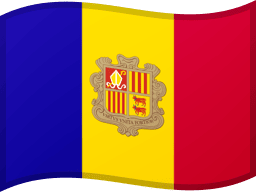
Andorra
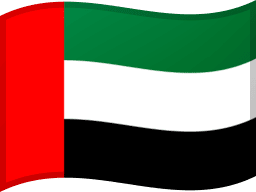
United Arab Emirates
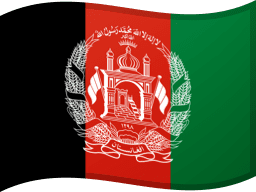
Afghanistan
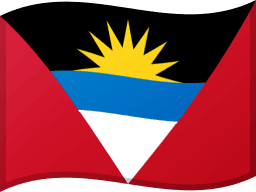
Antigua and Barbuda
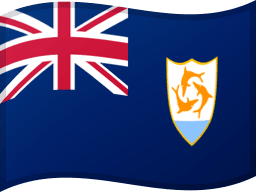
Anguilla

Albania
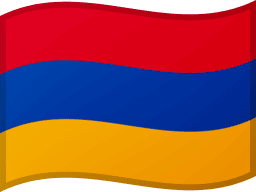
Armenia
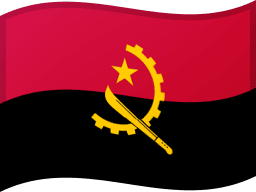
Angola
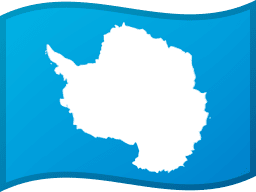
Antarctica
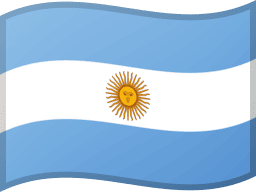
Argentina
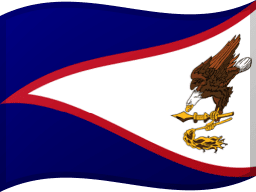
American Samoa
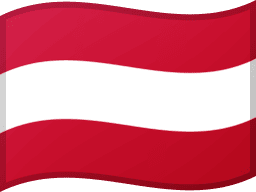
Austria
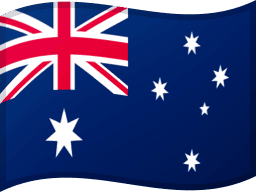
Australia
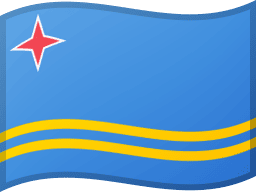
Aruba
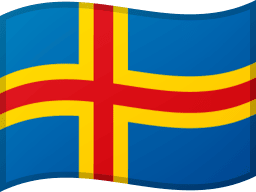
Åland Islands
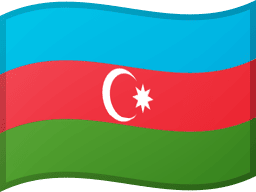
Azerbaijan
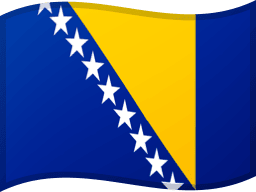
Bosnia and Herzegovina
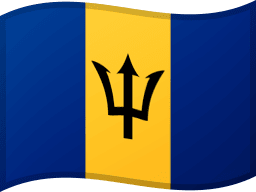
Barbados
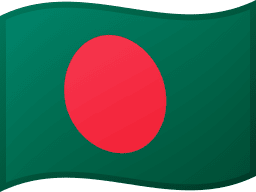
Bangladesh
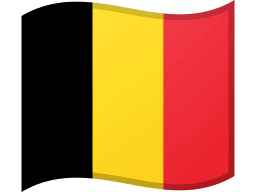
Belgium
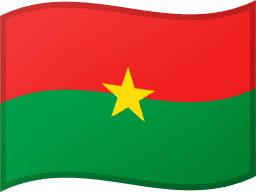
Burkina Faso
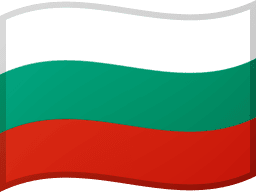
Bulgaria
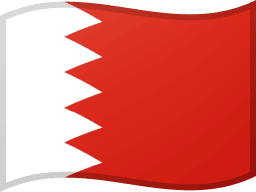
Bahrain
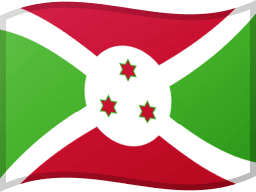
Burundi
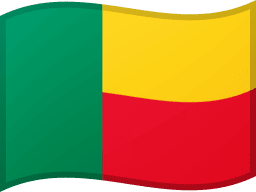
Benin

Saint Barthélemy
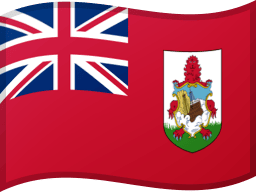
Bermuda

Brunei

Bolivia
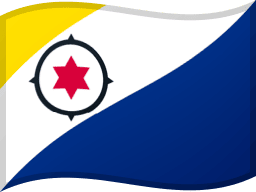
Caribbean Netherlands

Brazil
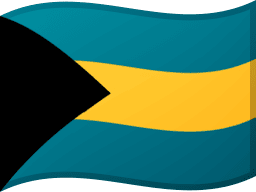
Bahamas
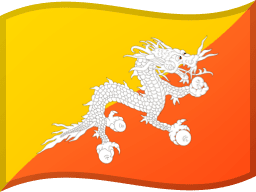
Bhutan
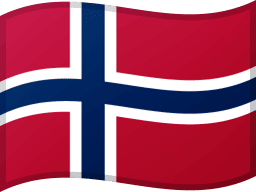
Bouvet Island
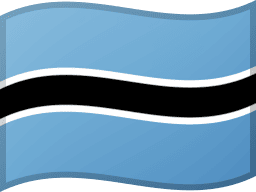
Botswana
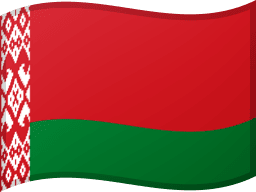
Belarus
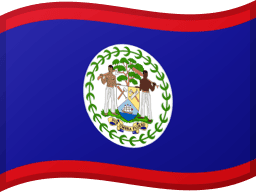
Belize
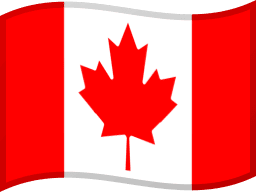
Canada
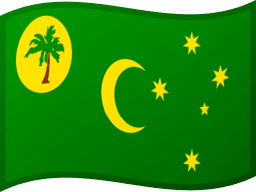
Cocos (Keeling) Islands
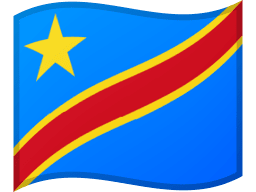
DR Congo
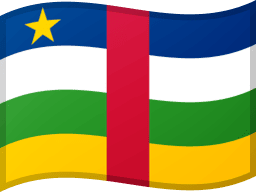
Central African Republic
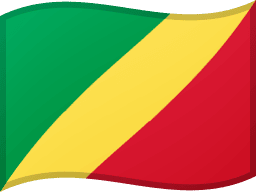
Republic of the Congo
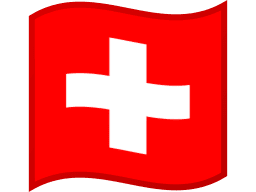
Switzerland

Côte d’Ivoire (Ivory Coast)
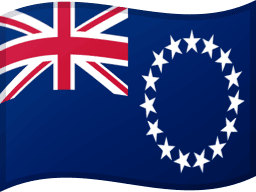
Cook Islands
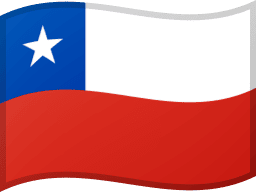
Chile
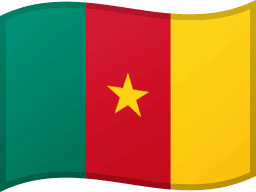
Cameroon
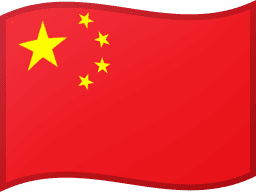
China
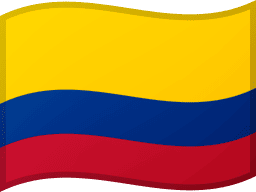
Colombia
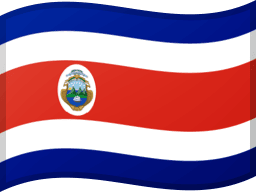
Costa Rica
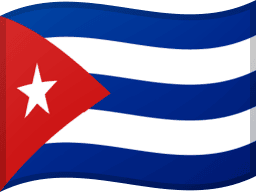
Cuba
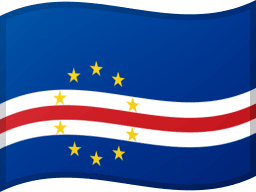
Cape Verde

Curaçao

Christmas Island
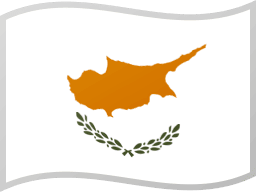
Cyprus

Czechia

Germany
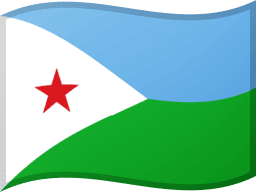
Djibouti

Denmark
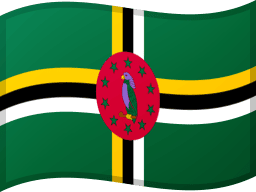
Dominica
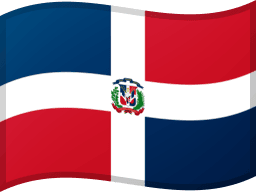
Dominican Republic
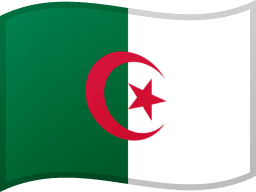
Algeria
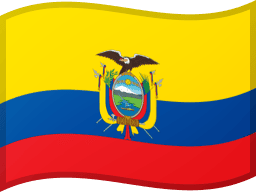
Ecuador
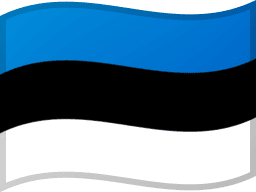
Estonia
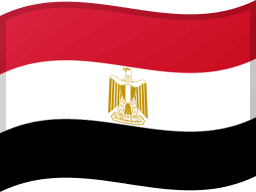
Egypt
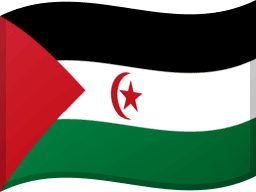
Western Sahara
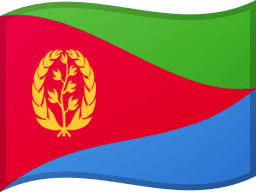
Eritrea
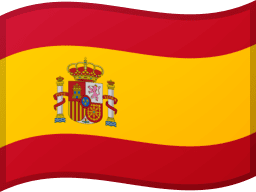
Spain
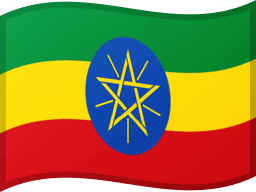
Ethiopia
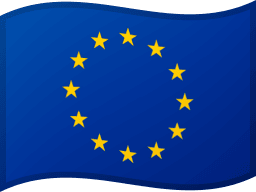
European Union
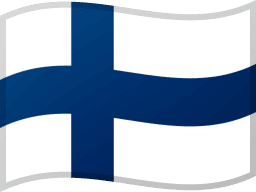
Finland
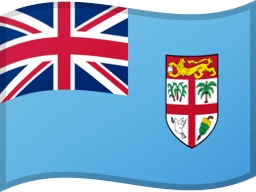
Fiji
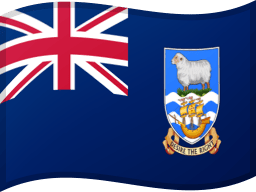
Falkland Islands
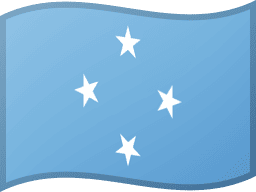
Micronesia
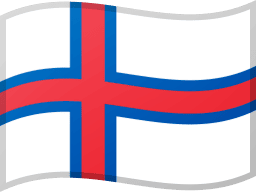
Faroe Islands
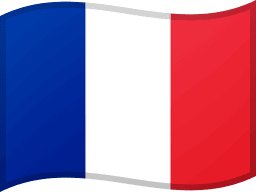
France

Gabon
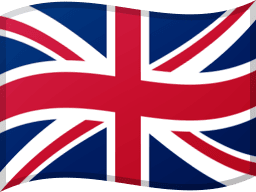
United Kingdom
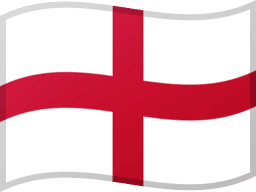
England
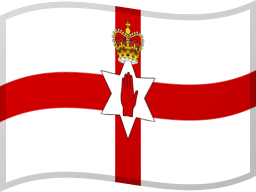
Northern Ireland
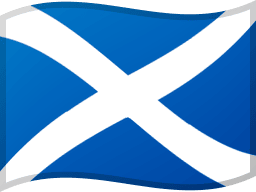
Scotland
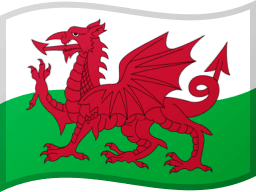
Wales
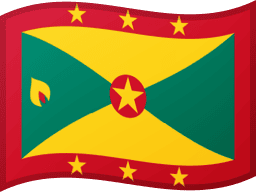
Grenada
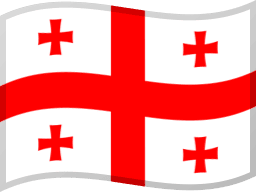
Georgia
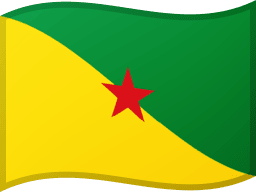
French Guiana
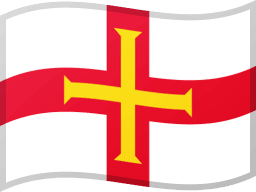
Guernsey
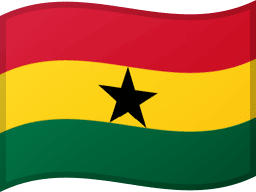
Ghana
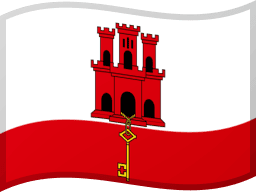
Gibraltar
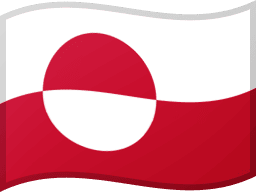
Greenland
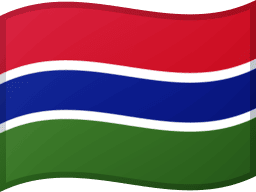
Gambia
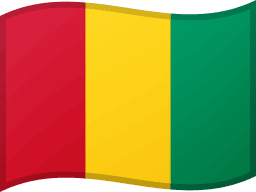
Guinea
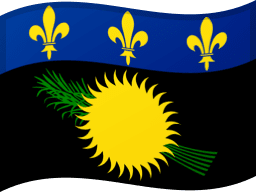
Guadeloupe
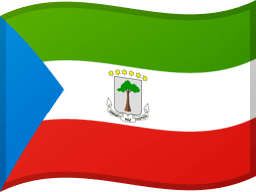
Equatorial Guinea
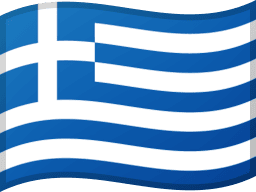
Greece
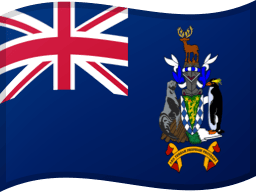
South Georgia
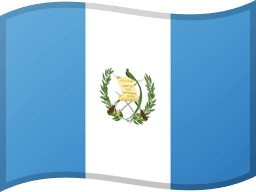
Guatemala
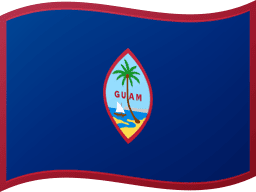
Guam
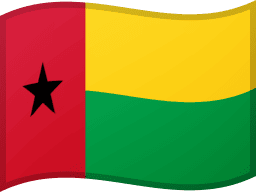
Guinea-Bissau
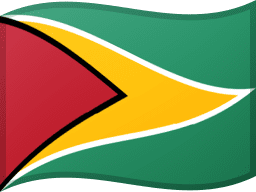
Guyana
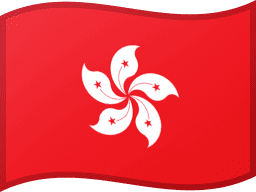
Hong Kong
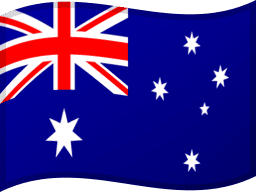
Heard Island and McDonald Islands
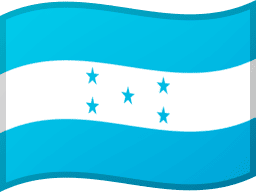
Honduras

Croatia
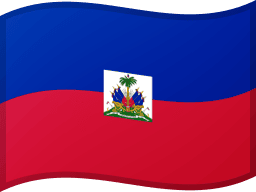
Haiti
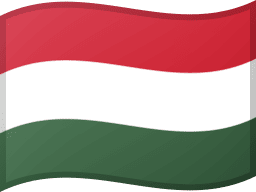
Hungary

Indonesia
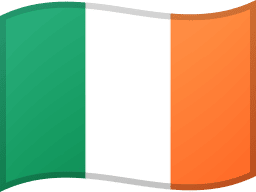
Ireland
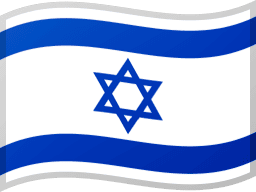
Israel
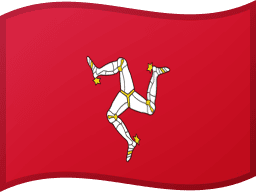
Isle of Man
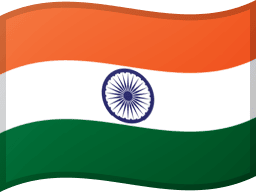
India
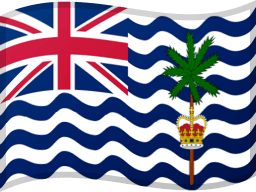
British Indian Ocean Territory
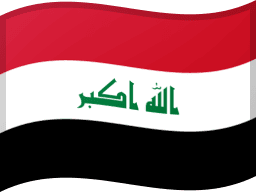
Iraq
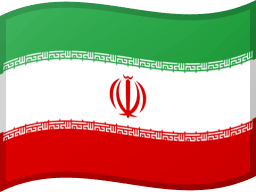
Iran
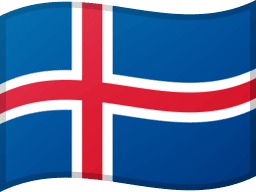
Iceland
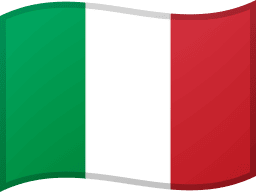
Italy
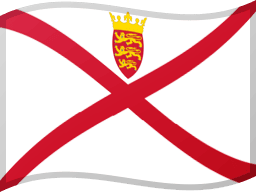
Jersey
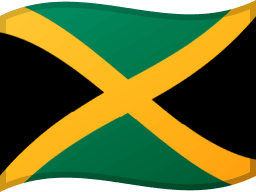
Jamaica
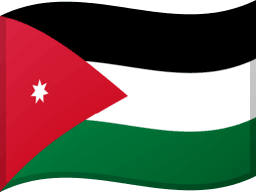
Jordan
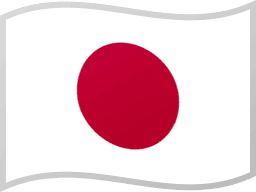
Japan
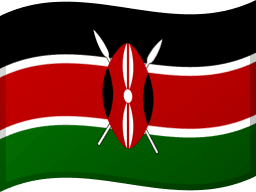
Kenya
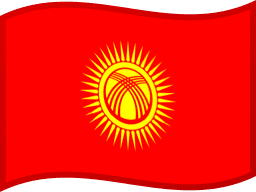
Kyrgyzstan
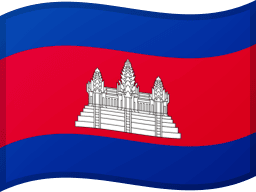
Cambodia
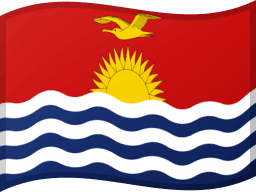
Kiribati
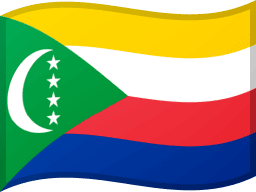
Comoros
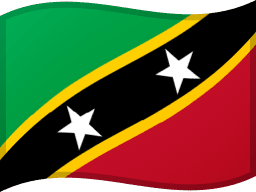
Saint Kitts and Nevis
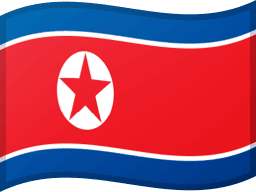
North Korea
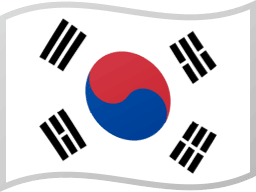
South Korea
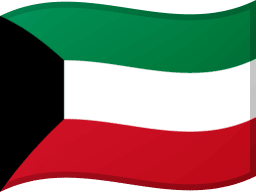
Kuwait

Cayman Islands
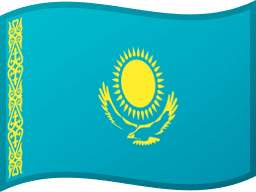
Kazakhstan
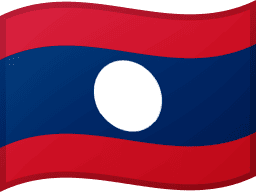
Laos
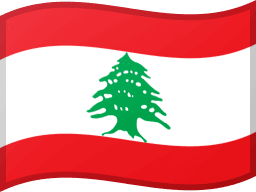
Lebanon
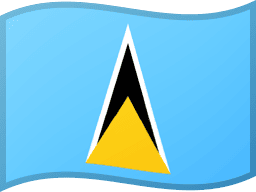
Saint Lucia
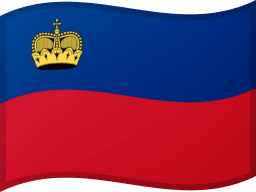
Liechtenstein

Sri Lanka
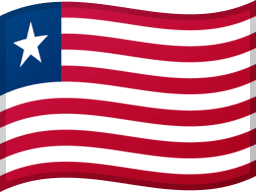
Liberia
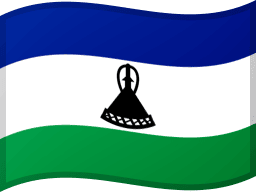
Lesotho
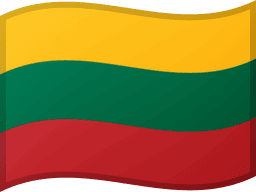
Lithuania

Luxembourg
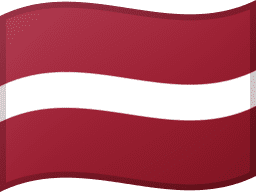
Latvia
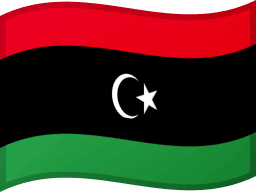
Libya
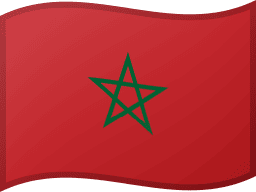
Morocco
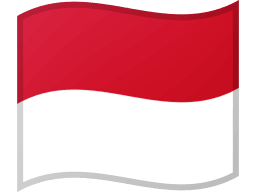
Monaco
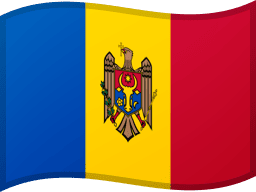
Moldova
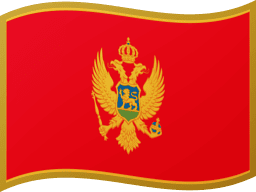
Montenegro
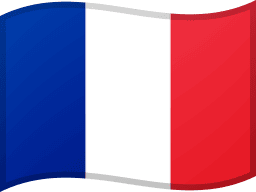
Saint Martin

Madagascar
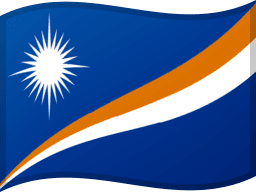
Marshall Islands
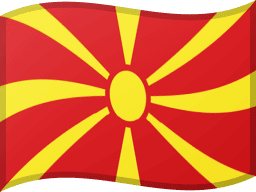
North Macedonia

Mali
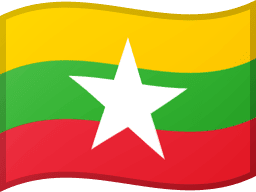
Myanmar

Mongolia
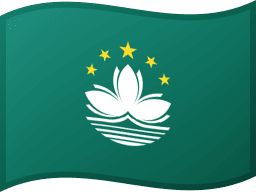
Macau
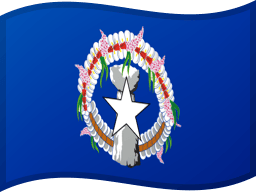
Northern Mariana Islands
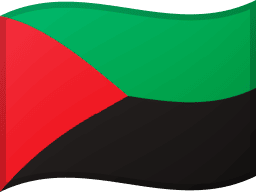
Martinique
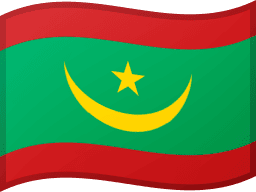
Mauritania
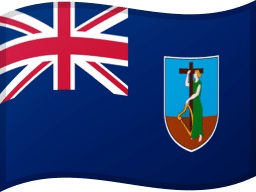
Montserrat
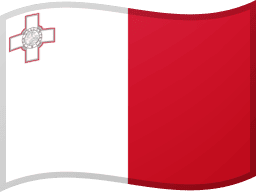
Malta
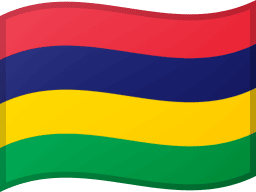
Mauritius
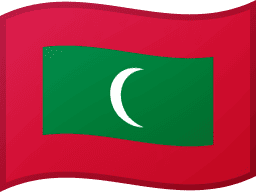
Maldives
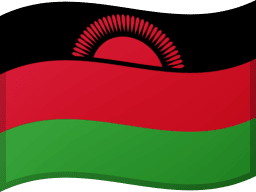
Malawi
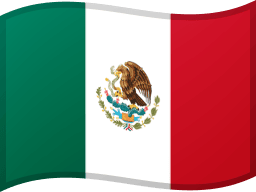
Mexico
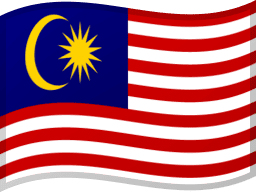
Malaysia

Mozambique
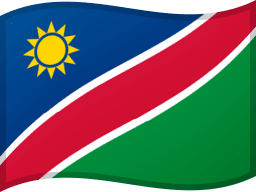
Namibia
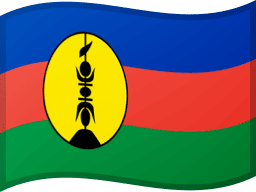
New Caledonia
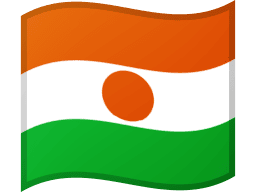
Niger
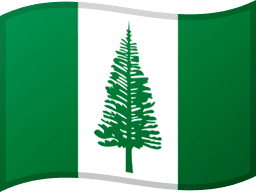
Norfolk Island
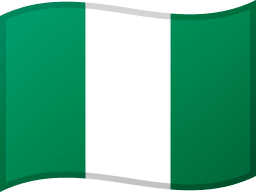
Nigeria
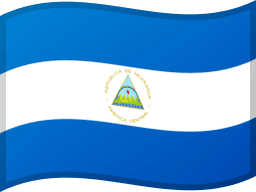
Nicaragua
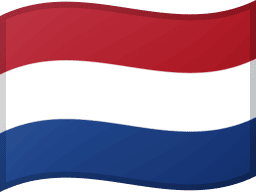
Netherlands
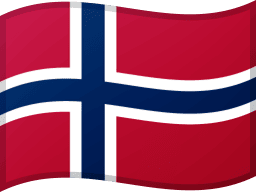
Norway
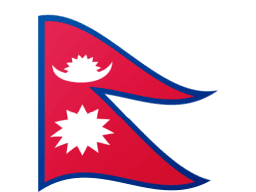
Nepal
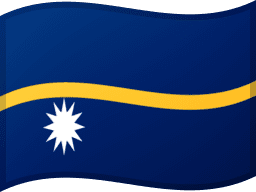
Nauru
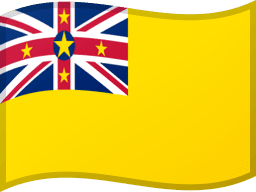
Niue
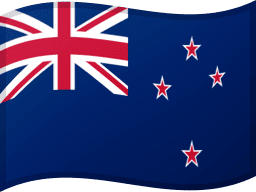
New Zealand
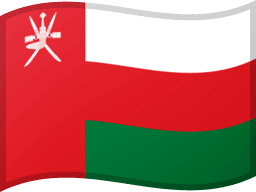
Oman

Panama

Peru
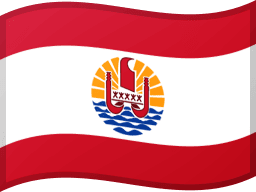
French Polynesia
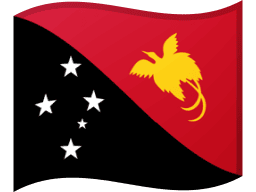
Papua New Guinea
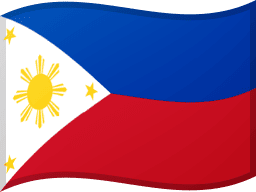
Philippines
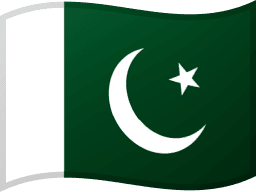
Pakistan
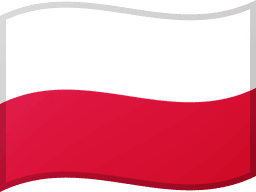
Poland
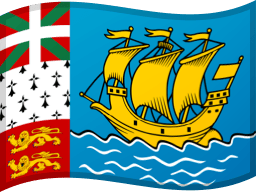
Saint Pierre and Miquelon
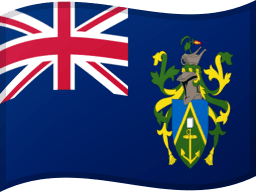
Pitcairn Islands
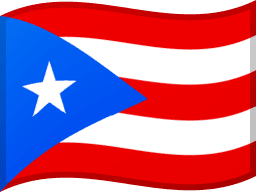
Puerto Rico
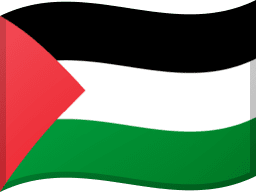
Palestine
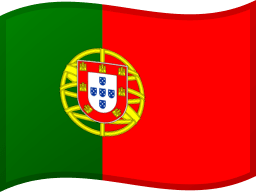
Portugal
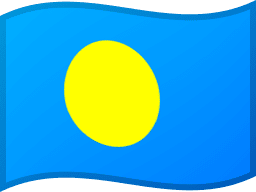
Palau
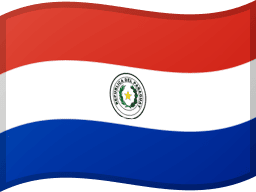
Paraguay
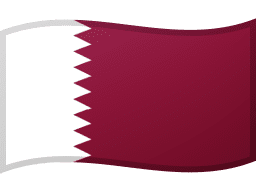
Qatar

Réunion
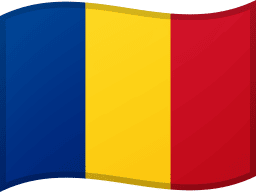
Romania
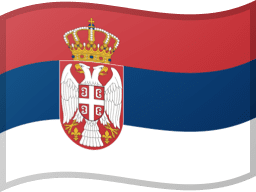
Serbia
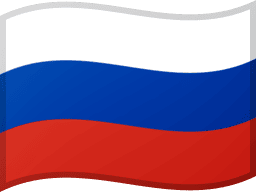
Russia
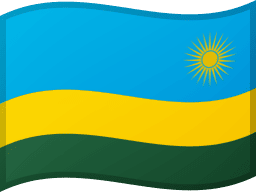
Rwanda
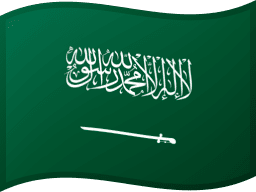
Saudi Arabia
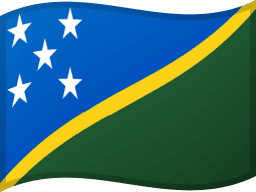
Solomon Islands
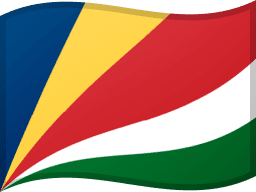
Seychelles
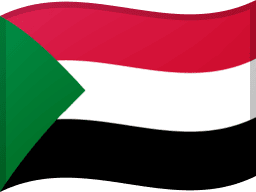
Sudan
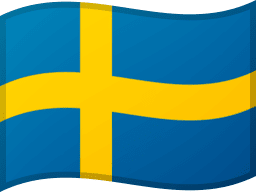
Sweden
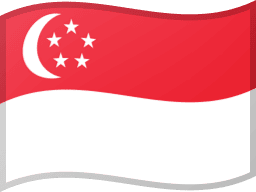
Singapore
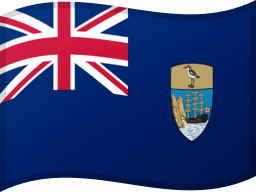
Saint Helena, Ascension and Tristan da Cunha
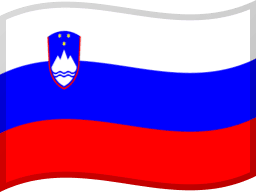
Slovenia
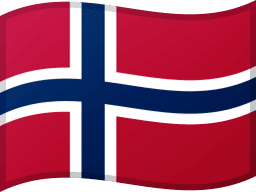
Svalbard and Jan Mayen
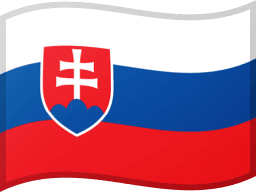
Slovakia
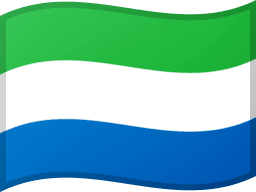
Sierra Leone
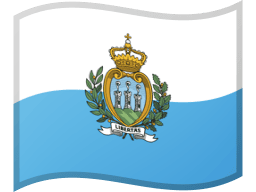
San Marino
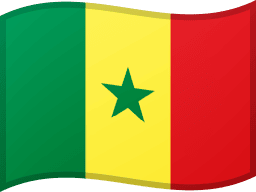
Senegal
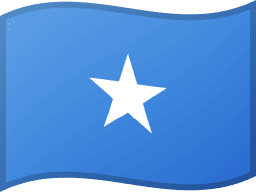
Somalia
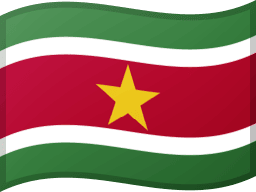
Suriname
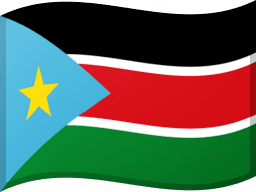
South Sudan

São Tomé and Príncipe
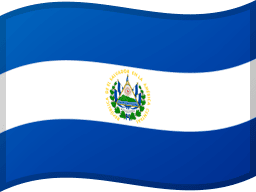
El Salvador
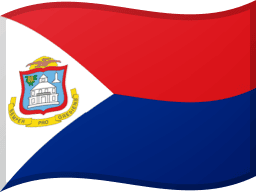
Sint Maarten
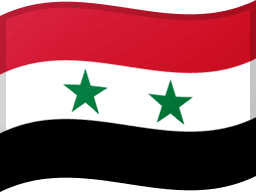
Syria
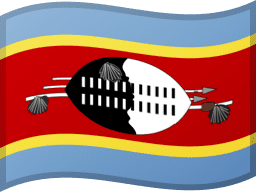
Eswatini (Swaziland)
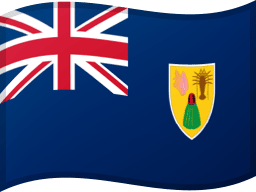
Turks and Caicos Islands
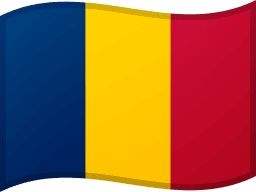
Chad

French Southern and Antarctic Lands
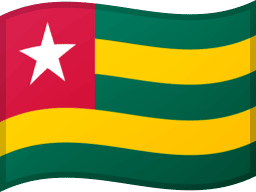
Togo
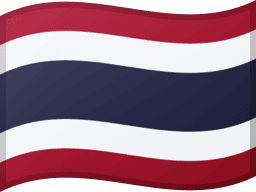
Thailand
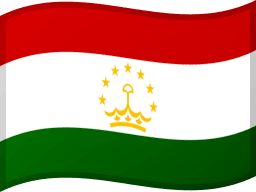
Tajikistan
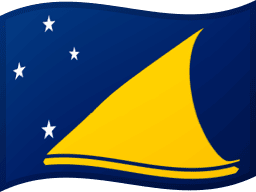
Tokelau

Timor-Leste
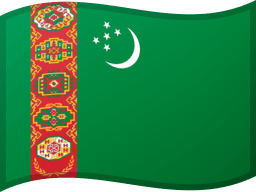
Turkmenistan

Tunisia

Tonga
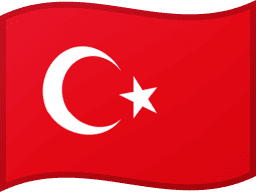
Turkey
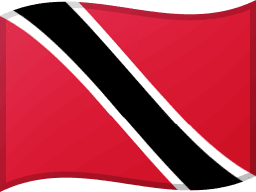
Trinidad and Tobago

Tuvalu
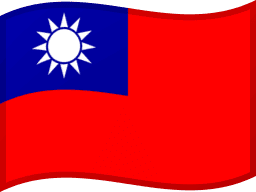
Taiwan
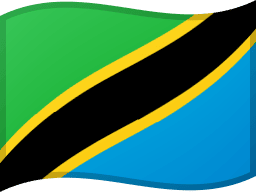
Tanzania
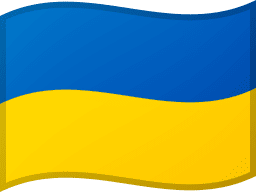
Ukraine
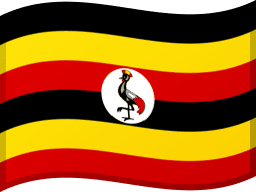
Uganda
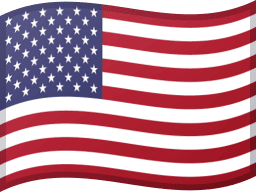
United States Minor Outlying Islands
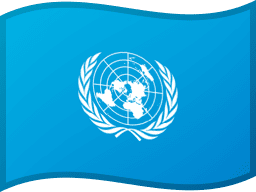
United Nations
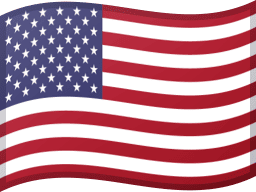
United States

Uruguay

Uzbekistan
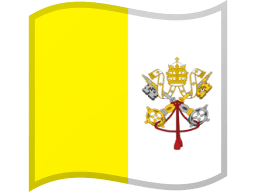
Vatican City (Holy See)
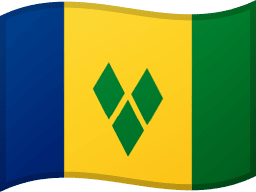
Saint Vincent and the Grenadines
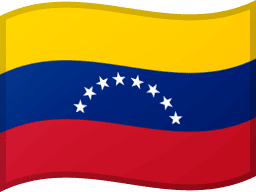
Venezuela

British Virgin Islands
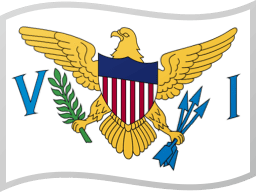
United States Virgin Islands
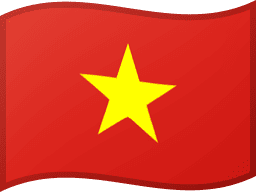
Vietnam
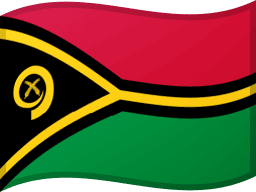
Vanuatu
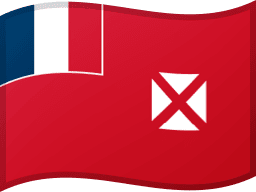
Wallis and Futuna
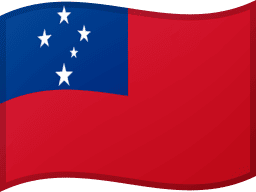
Samoa

Kosovo
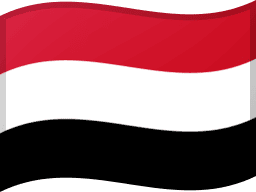
Yemen

Mayotte
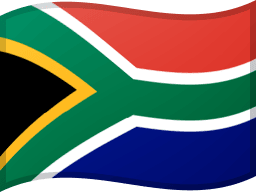
South Africa

Zambia
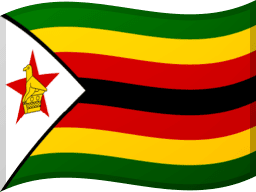
Zimbabwe