GCSE OCR Combined Science A Papers 1 and 7

Mock test. 1 hour and 10 minutes. 60 marks available.

Each time the test is taken it will present different questions.

 
QUIZ START

Results

Well Done you passed the test! You’re on your way to getting the grades you want!
OCR Combined Science A Papers 1 and 7

Why not try another Science Mock Exam and see how well you do?

Nice try, check your answers to see where you went wrong.

OCR Combined Science A Papers 1 and 7

Why not get a bit more practice with some biology quizzes and then come back and have another try!

#1. What is the resolution of light microscopes limited by?

#2. Is active transport an active or a passive process?

#3. Upon the release of adrenaline do blood vessels widen, narrow or both?

The blood vessels are constricted or dilated depending on where the blood flows.

The muscles required for running for example are dilated since they are required to match the “fight or flight” response. Others are constricted as they are temporarily deemed less important.

#4. Which of the following are the 4 factors that affect the rate of photosynthesis?

Select all that apply:

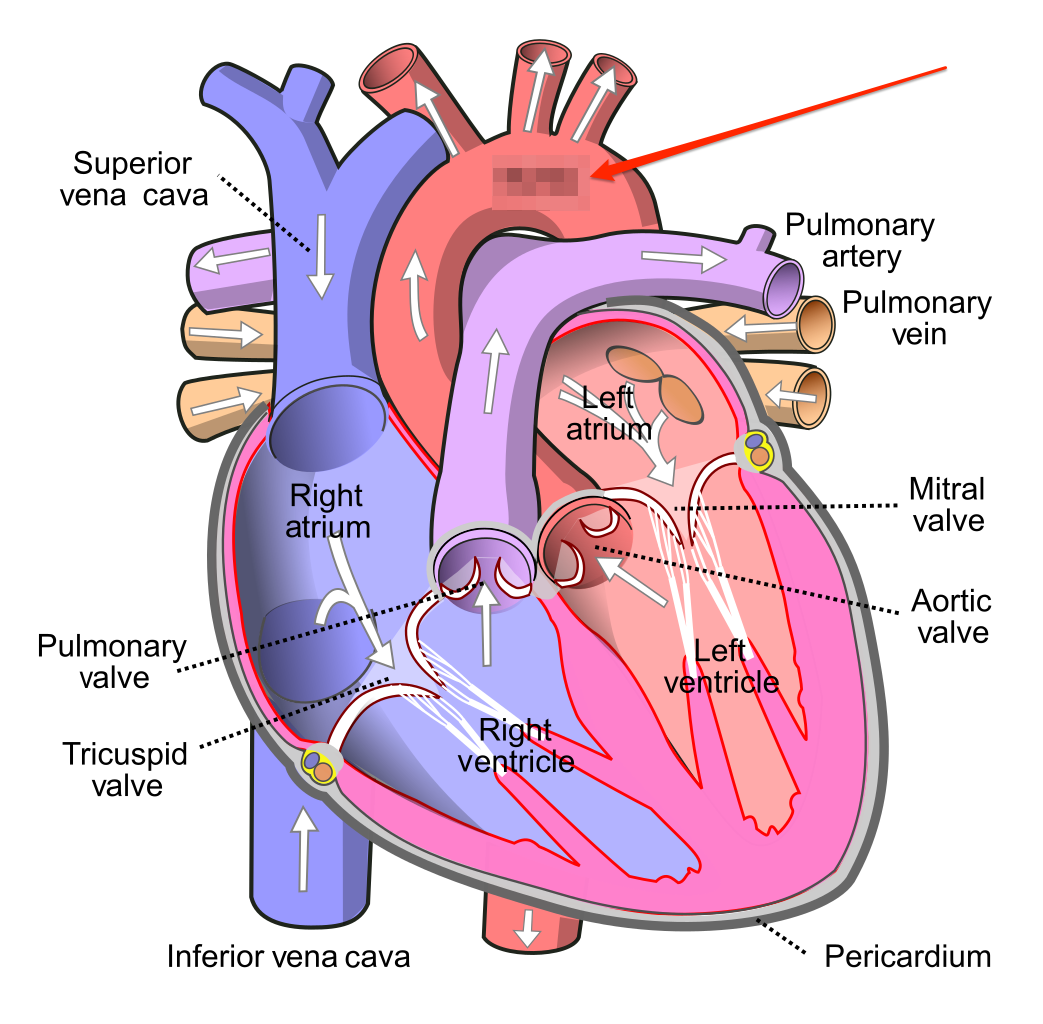
#5. What is the part of the heart that the arrows are pointing to?

#6. Which of the following is part of the central nervous system (CNS)?

#7. How many chambers does the heart have?

#8. True or false – A concentration gradient is a term used to explain how the moon moves in the night sky?

#9. What is the role of the nucleus?

#10. Why is the Surface area : Volume ratio so important when it comes to exchange of substances?

#11. Which of these are examples of blood vessels?

Select all that apply:

#12. Name one hormone that is produced in the pancreas?

#13. Increases in thyroxine concentration in the blood cause a decrease in the amount of thyroxine released. What kind of feedback mechanism is this?

#14. What is an advantage of anaerobic respiration?

#15. Surfaces where diffusion takes place allowing substances to enter the body usually have which characteristics?

Select all that apply:

#16. Which of the following are 3 of the adaptations of leaves for efficient photosynthesis?

Select all that apply:

Remember to carefully read the question, if you selected Root hair cells, you were mistaken because the question asked about leaves, not roots.

#17. What is the resolution of electron microscopes limited by?

#18. What is the role of receptors?

#19. What is the function of white blood cells?

#20. Where are relay neurones found?

#21. What are the monomers of proteins?

#22. Bacterial cells commonly have a flagellum. What is the role of this structure?

#23. Why do high breathing and heart rates remain after exercise?

Select all that apply:

#24. In osmosis – are particles travelling with or against the concentration gradient?

#25. What are the upper chambers of the heart called?

#26. Which hormone is released from the adrenal gland?

#27. Motor neurones carry impulses to which part of the nervous system?

#28. The female gametes (egg cells) are adapted to their function. Which of the following are adaptations of egg cells?

Select all that apply:

#29. What is the Lock and Key Model of enzyme action?

#30. In which part of the cell does anaerobic respiration take place?

#31. Which pathway is used when rapid automatic responses are needed by your body to external stimuli, like touching a hot object?

#32. What is the balanced chemical equation for photosynthesis?

#33. What is the heart rate measured in?

#34. What is the equation for magnification?

There are two equations for magnification, both tell you how many times larger the image appears than it actually is.

One equation links the magnification of the two lenses and the other equation links magnification to the size of the object and image.

#35. Is diffusion an active or a passive process?

#36. In which sub-cellular structure inside plant cells does photosynthesis occur?

#37. Which of the following are factors that affect the rate of diffusion?

Select all that apply:

#38. Hormones are released by a range of glands, name one gland that releases hormones. ? do not include the word "gland" or "glands"

#39. Why does the rate of an enzyme controlled reaction increase with greater substrate concentration?

#40. Is photosynthesis an endothermic or an exothermic reaction?

#41. Organs that exchange substances into and out of the body have:

#42. Fill in the gap to complete the word equation for aerobic respiration. glucose + oxygen → ….. + water

#43. What is the role of protease?

#44. How are cells that line the small intestine specialised?

#45. Which of the following sub-cellular structures provides structure and support for the cell?

Select all that apply:

#46. Is respiration an exothermic or an endothermic reaction?

#47. What is the function of plasma?

#48. Cells are adapted to perform a specific function. Why do cells in the pancreas have lots of ribosomes?

#49. Which of the following are 3 of the adaptations of leaves for efficient photosynthesis?

Select all that apply:

#50. Which type of white blood cells produce antibodies that stick to the antigens of pathogens?

#51. How do substances typically move into and out of the body, for example, oxygen in the lungs? ? 1 word answer

#52. What travels along neurones to pass information through the nervous system?

#53. What is the role of the superior vena cava?

#54. Which of the following are waste products produced by the body?

Select all that apply:

#55. What is the cell wall made from in plants?

#56. Why is the rate of an enzyme controlled reaction highest at an optimum pH?

#57. Cardiac output is measured as the volume of blood pushed through the aorta each minute. Which is the correct equation for cardiac output?

#58. What is the word equation for photosynthesis? ? In some examples you might also see sunlight and chlorophyll above and below the arrow.

#59. Which of the following features are found in arteries?

#60. What is the role of effectors?

Previous
Finish